

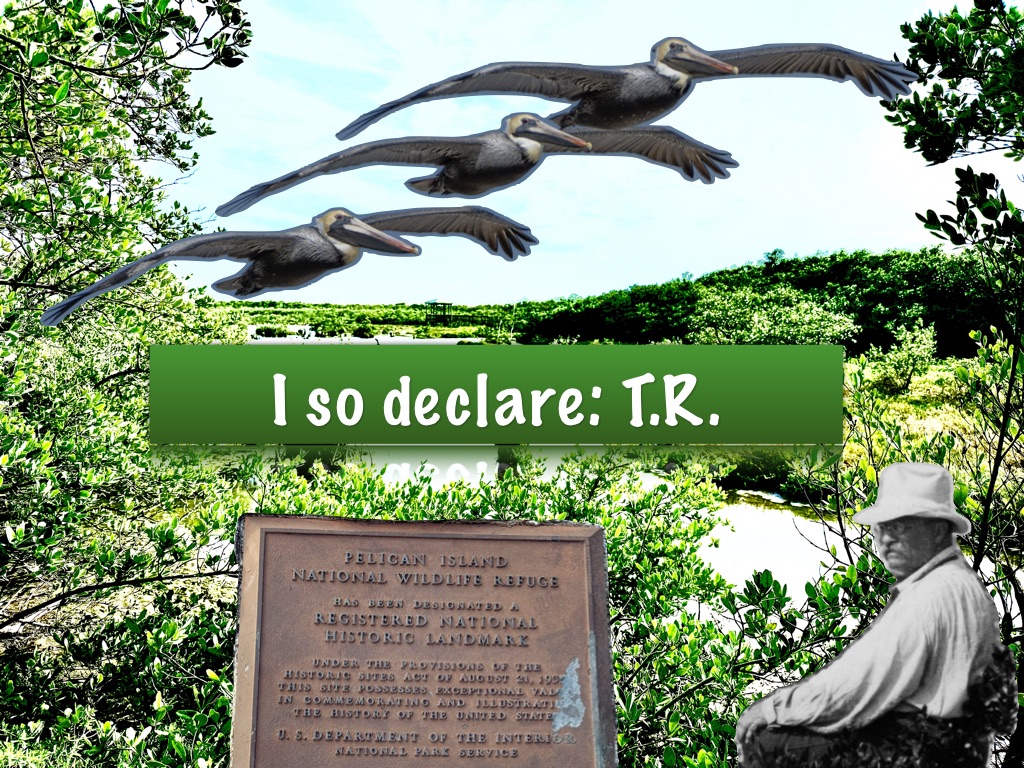
Is there any law that will prevent me from declaring Pelican Island a Federal Bird Preserve?
The answer was a very decided “No.”
“Very well then. I So Declare It.”
The Wilderness Warrior: Theodore Roosevelt and the Crusade For America: By Douglas Brinkley.
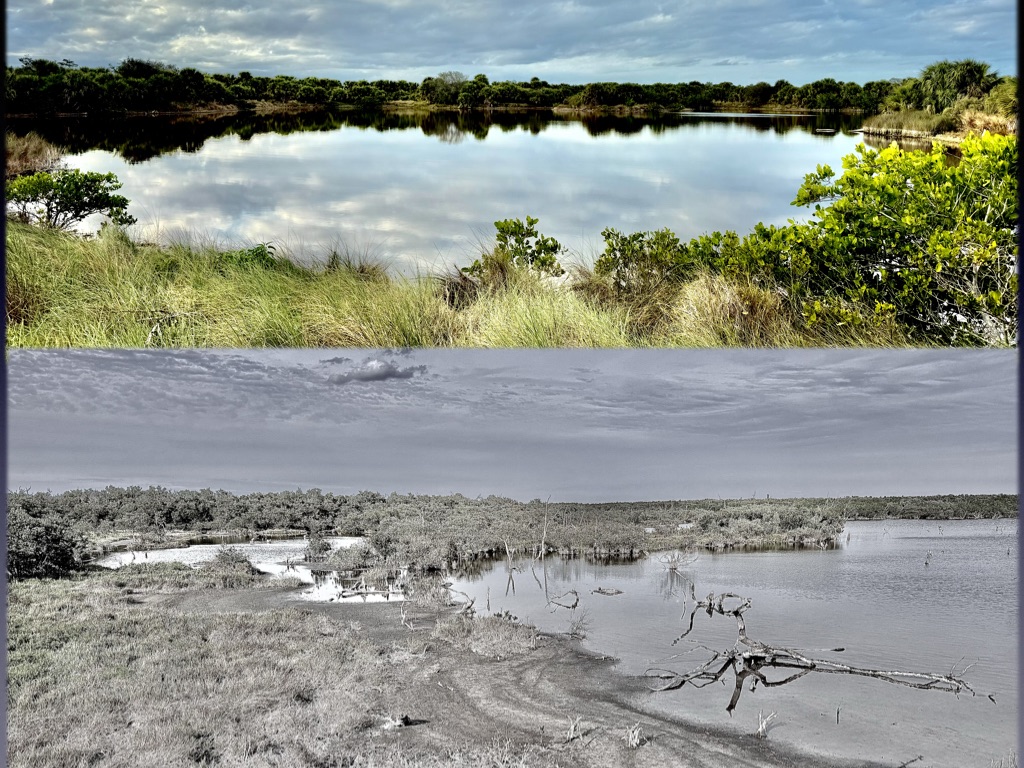
Not very far away from Florida’s Pelican Island National Wildlife Refuge you can see the usual line of condos, ocean-front luxury homes, boat docks and other ruinous signs of coastal overdevelopment.
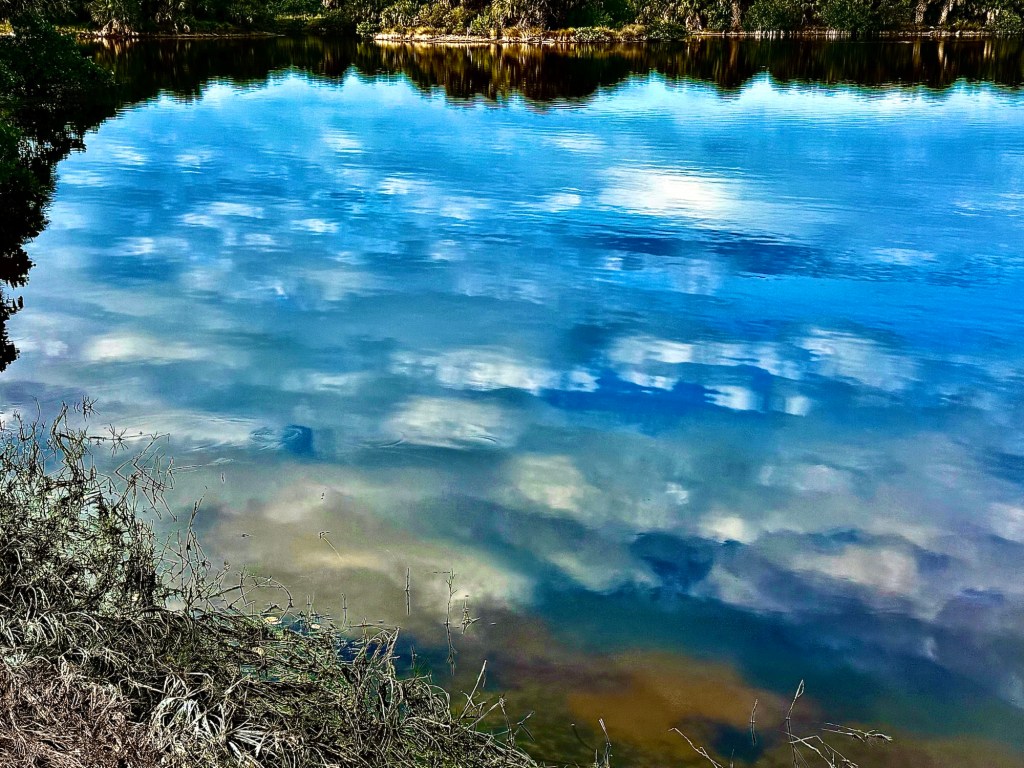
That the 5,000-plus acre refuge exists at all is tribute to the determination of one American President. T.R. wanted to stop the mass slaughter of brown pelicans for the purpose of decorating fashionable ladies’ hats. Thus he so declared, in 1903.
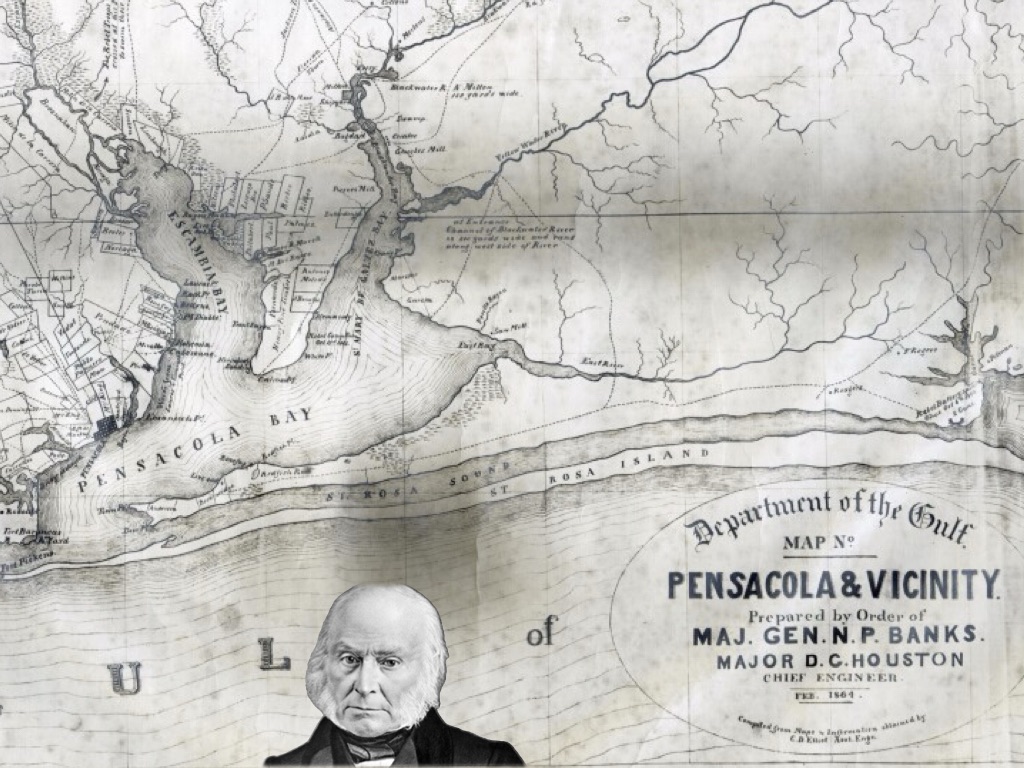
Here’s a fun fact. In 1903 Pelican Island became America’s first national wildlife preserve. But T.R. was not the first President to “so declare” that a wilderness be left unspoiled.
That honor goes to John Quincy Adams, who, in 1828, preserved by executive fiat Pensacola Bay’s Santa Rosa Island – not to save birds, but to save the island’s giant live oak trees in order to meet the future mast requirements of the U.S. Navy.
Another fun fact: Florida is home to both the first and second presidential preserves ever created. How cool is that? Eat your heart out, Texas.
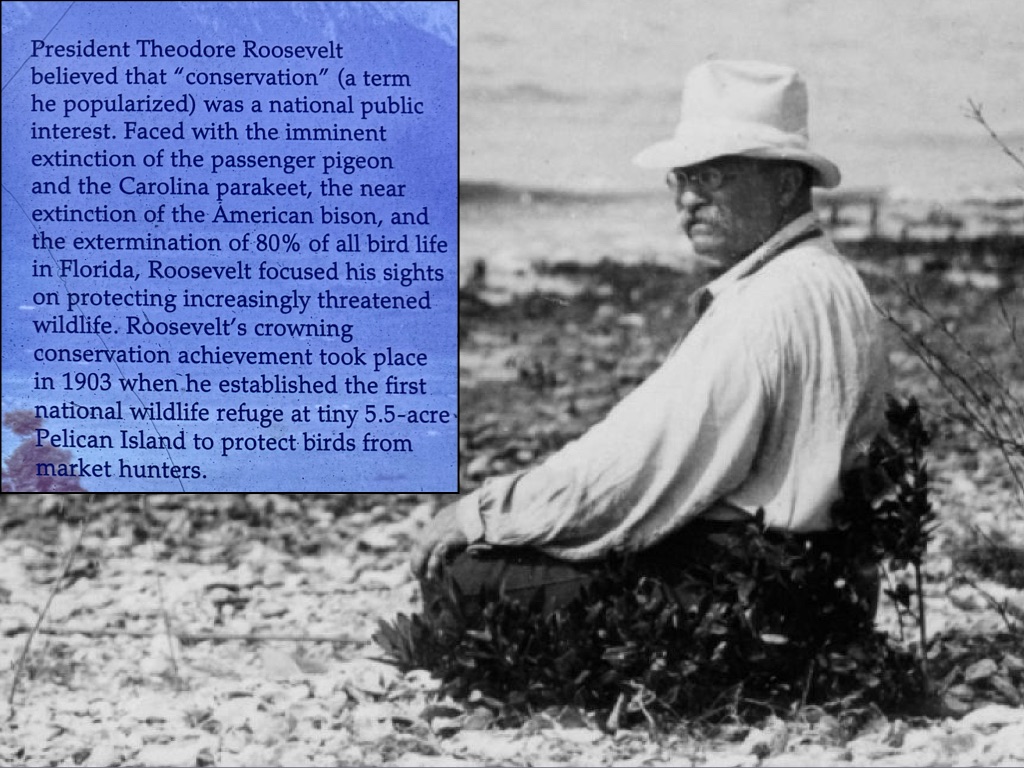
But give T.R. credit. An avid hunter himself, his intent wasn’t to protect America’s war machine, but rather to save living things that were being driven to the brink of extinction by the worst kind of industrial hunting.
“While stationed in Tampa Bay during the Spanish American War, Roosevelt had studied the brown pelicans’ daily routines with an artistic eye for nuance,” writes Brinkley. “Roosevelt had marveled at how good humored pelicans could be, allowing noisy gulls to use their elongated heads as a resting spot.”
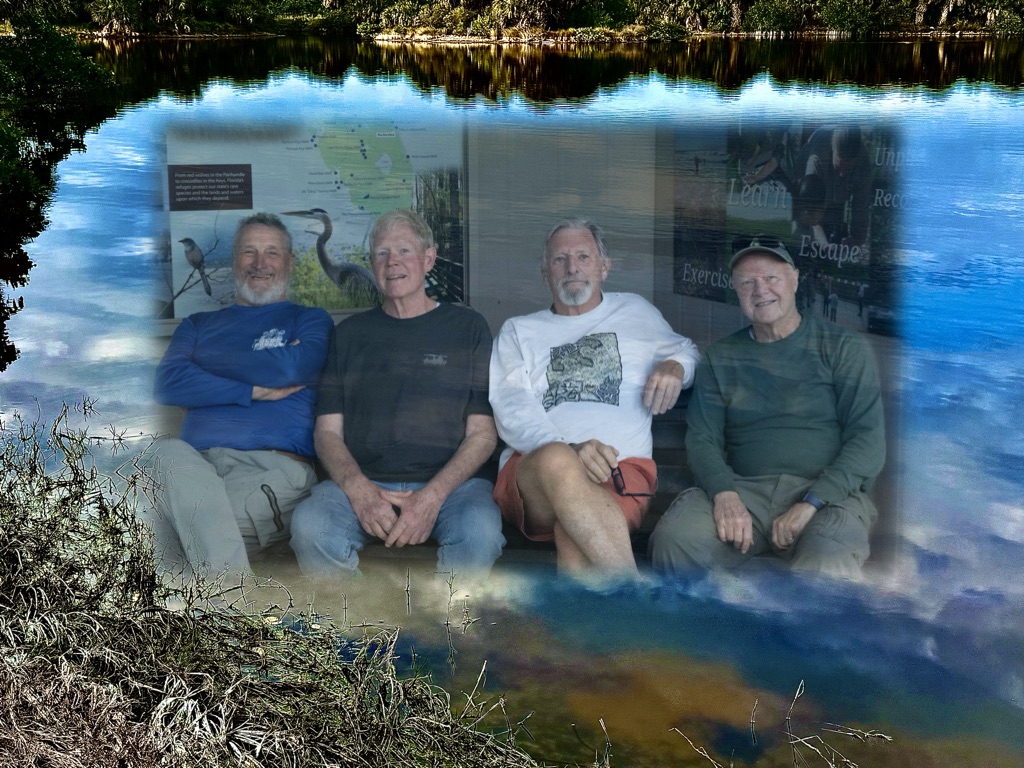
While doing a spot of winter camping at nearby Sebastian Inlet State Park, my fellow campers and I set out to explore the refuge.
Another fun fact: The combined ages of myself and my fellow campers easily exceeds the number of years Pelican Island has been a national wildlife refuge.
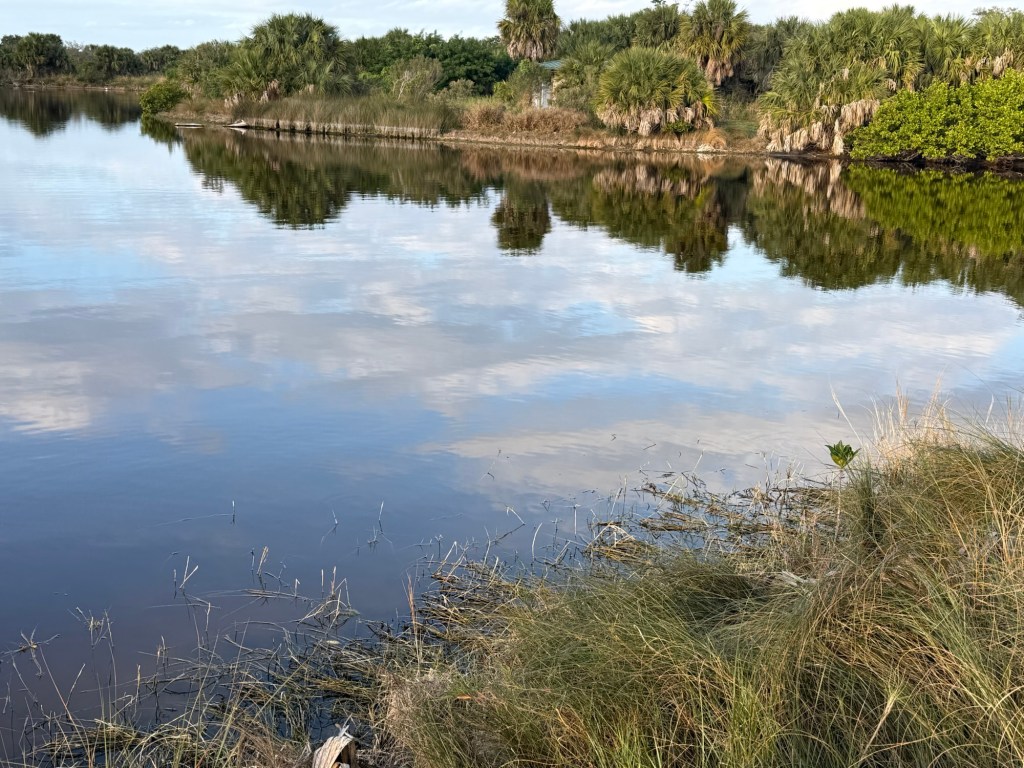
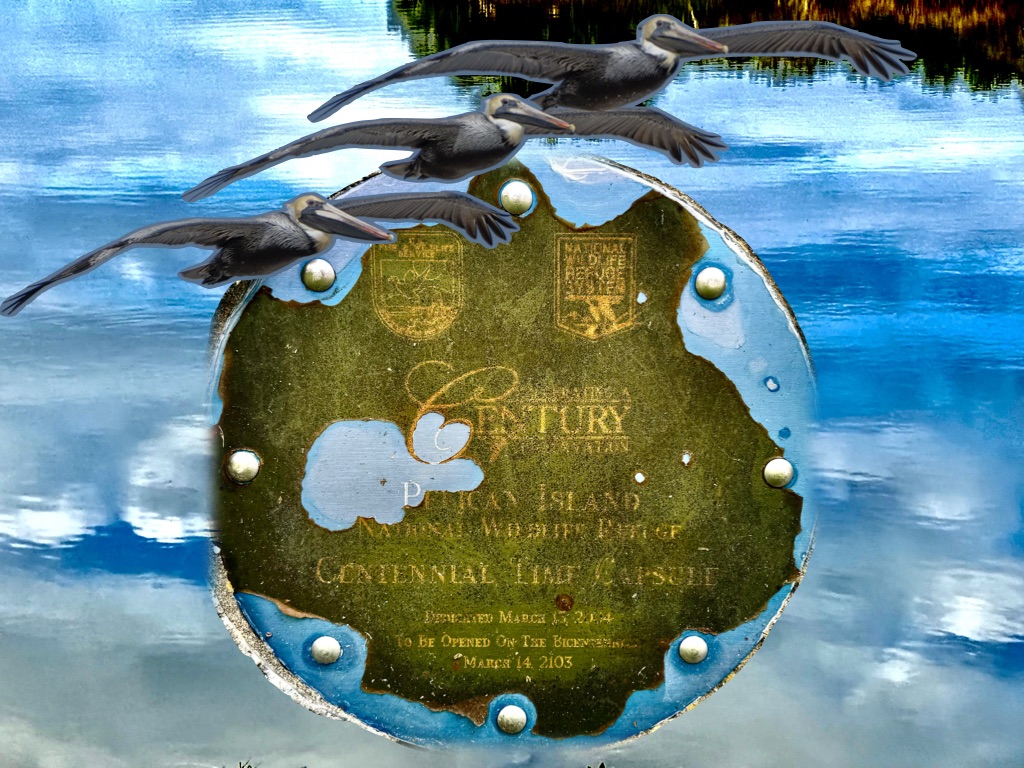
In addition to the refuge’s impressive Centennial Walkway there are miles of trails winding through mangrove swamps, affording breathtaking glimpses of The Real Florida.
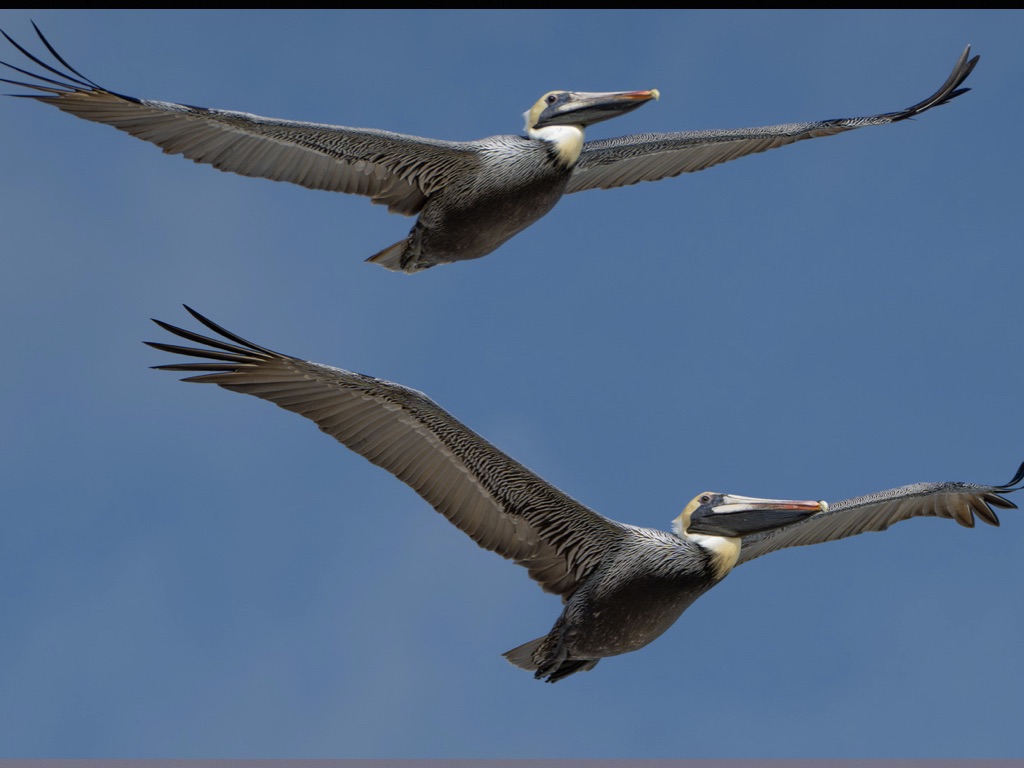
Disclaimer: Although I trudged through the preserve on two separate days, I didn’t see a single pelican. Therefore I must (dammit!) credit fellow traveler Warren Nielsen for all of the pelican shots in this blog.
Oddly enough, all were taken, not at the pelican refuge, but at Sebastian Inlet. Where pelicans find, um, easy pickings, thanks to all the fishermen there.
Another disclaimer: We saw no pelicans with noisy gulls resting on their elongated heads.
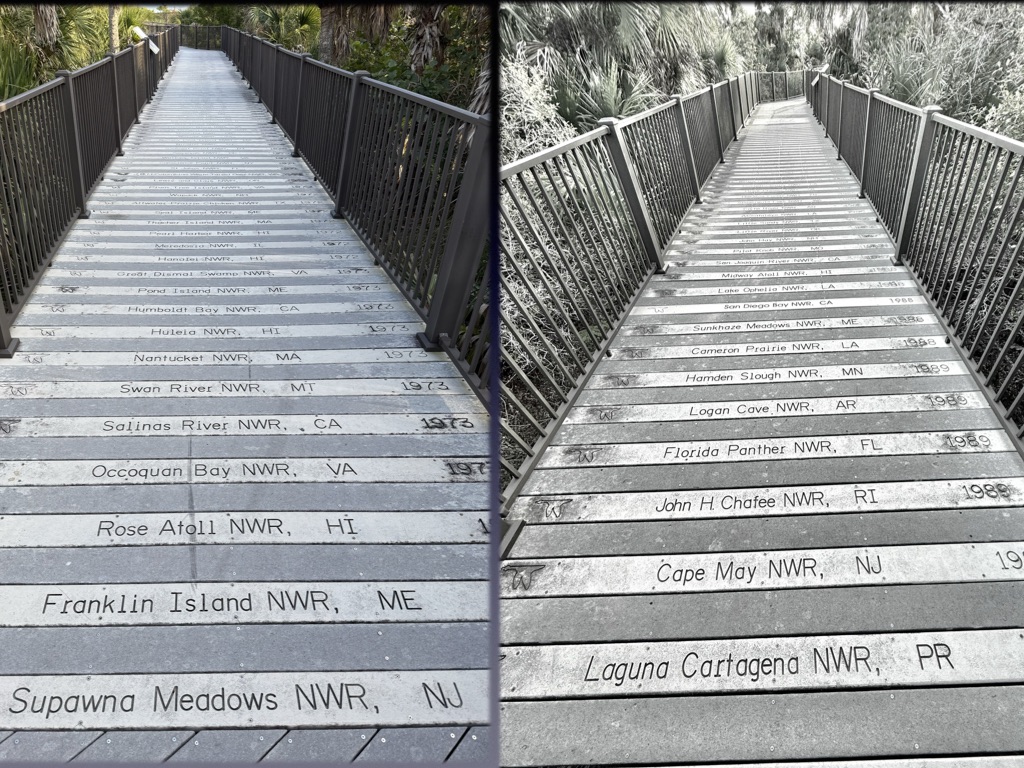
In addition to leading to breathtaking views, Centennial Walkway also lists the more than 570 national wildlife refuges that came after Pelican Island.
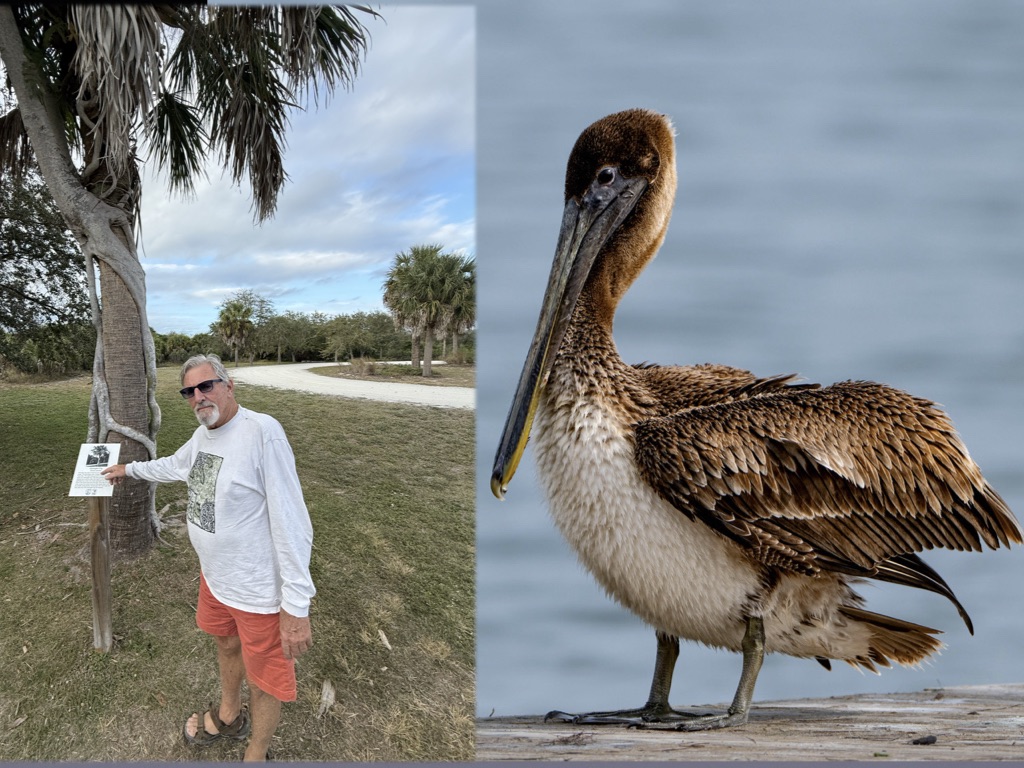
Left: Walt pointing with disapproval to one tree slowly strangling another tree. Right: A pelican sans noisy gull hat.
See the difference?
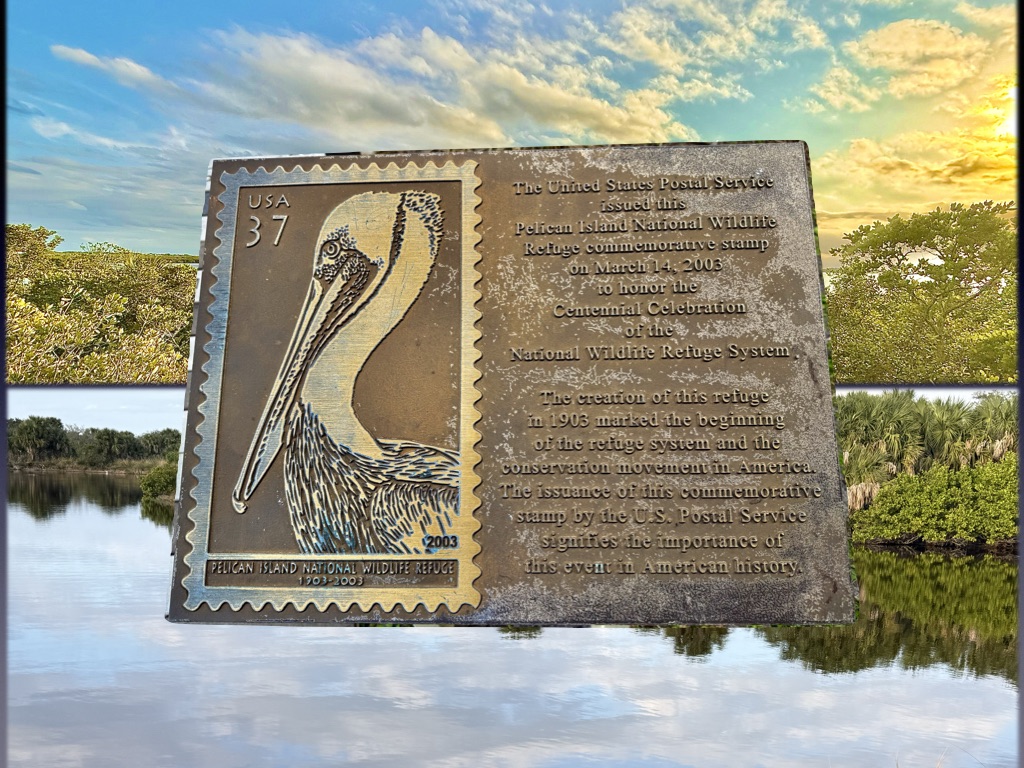
If you haven’t seen Pelican Island National Wildlife Refuge yet, you really ought to take the time to check it out.
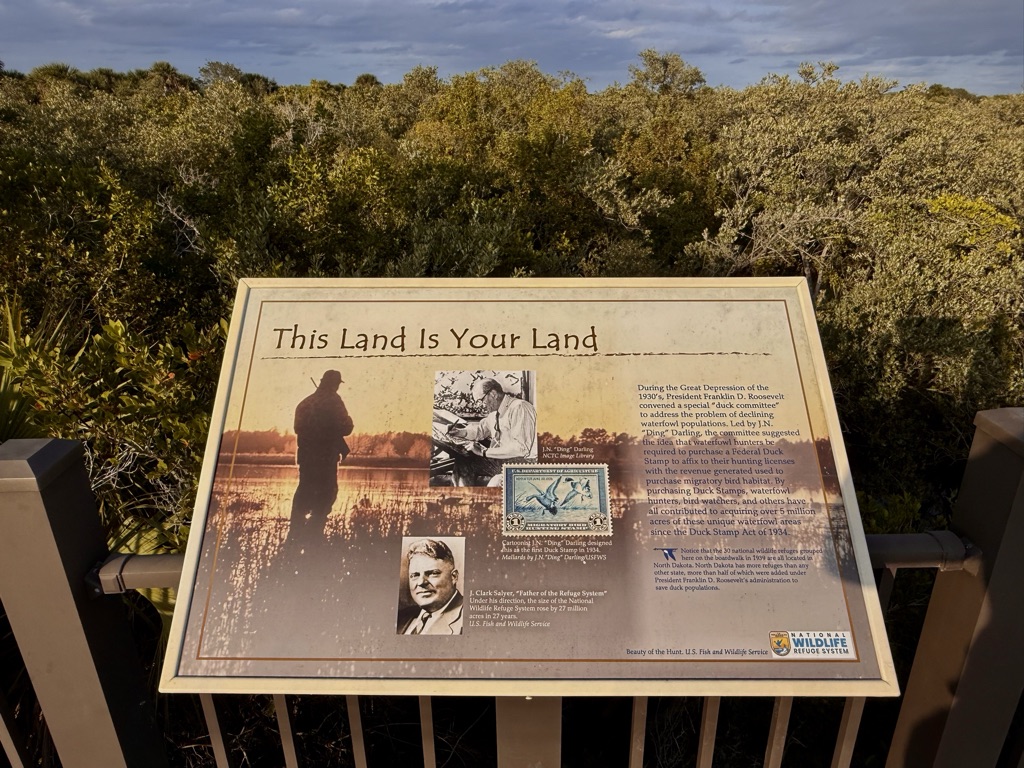
Because, after all, this land is your land as well as my land.
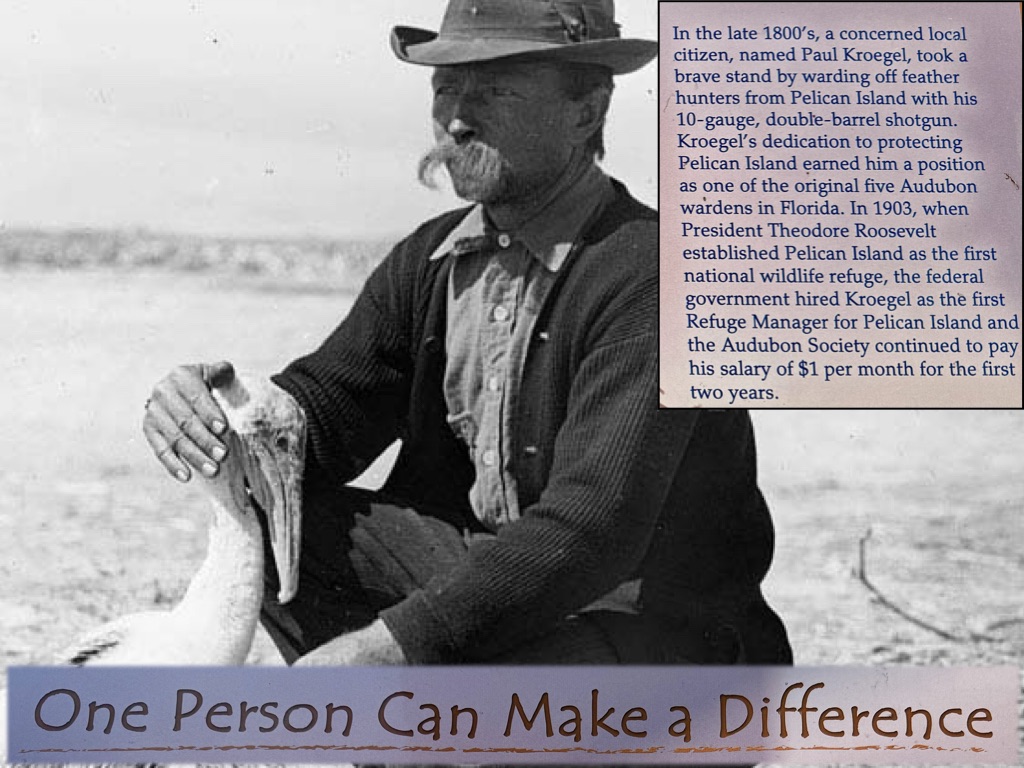
And ultimately we all have an obligation to continue the work of those before us who helped create and protect this marvelous stretch of Florida wilderness.
Oh, and I heartily recommend Brinkley’s book, The Wilderness Warrior. Frankly, I was never a big T.R. fan until I read it.
Heck, I almost forgive T.R. for the disgraceful Brownsville Incident his hawkish (dare I say Trumpy?) “Big Stick” foreign policy and other “splendid” blunders.

 FreeGNV