


I wrote this piece for the Gainesville Sun.
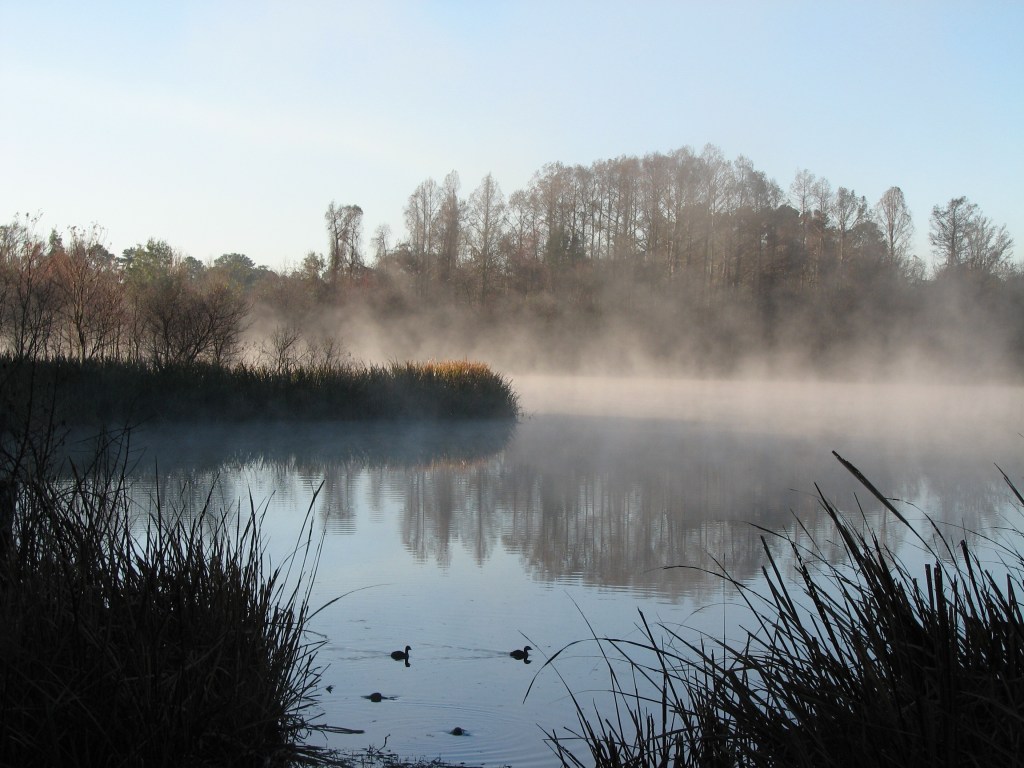
When UF President Stephen C. O’Connell wanted to build a cross-campus highway that would loop Lake Alice, he said the lake “had very little ecology left” worth saving.
Hundreds of faculty, staff and other Floridians disagreed. And in the firestorm of protests that followed, the highway project was abandoned.
That was more than half a century ago.
In 2006, a team of UF scientists published a study documenting that Lake Alice had been experiencing “high nitrogen and phosphorous levels for more than 30 years.”
“At a minimum, a comprehensive management plan for maintaining university waters should be created and implemented,” the scientists urged.
Nearly two decades later, UF officials say they are finally ready to establish such a comprehensive management plan. And not just for Lake Alice, but also for the creeks, wetlands, natural areas and stormwater infrastructure that drain most of the campus into the lake.
“Lake Alice is an iconic focal point of the campus,” says Linda Dixon, project manager for the emerging campus watershed management plan. “But years of neglect catch up with you and we’re seeing the results of not controlling the volume and quality of the water in our creeks.”
Having established a 29-person steering committee and hired a consulting firm, Wetlands Solutions, UF is reaching out for public input.
“We want to get more people involved to help us determine what needs to be done” to protect and improve UF’s nearly 1,000-acre watershed, Dixon said.
UF has created a Lake Alice Watershed Management Plan web site with information about the project. On Tuesday facilitators held the first of three public input “visioning” sessions. Two more sessions will follow: A virtual Zoom meeting on Sept. 27 from 7-8 p.m. And an in-person session on Oct. 4 from 4:30-7 p.m. at the Straughn Professional Development Center.”
The goal is to have a new watershed management plan completed by next summer.
Although Lake Alice remains a scenic campus treasure that attracts thousands of people, its water quality has been deteriorating for decades. Invasive plants and animals have gradually replaced native species.
Moreover, the lake is both a designated conservation area and a storm water catchment facility – roles that are inherently in conflict with each other.
“Over the last 100-plus years, development has altered in a lot of fundamental ways areas of the campus,” said Scott Knight, Wetland Solutions consultant. As more buildings and parking lots were created more “impervious surfaces” like asphalt were laid down.
Unable to soak quickly into the ground, rainfall instead flows directly into campus creeks, ravines and ultimately the lake, leading to flooding, erosion, and stormwater infrastructure failures.
“There is 100 feet of elevation on campus,” Knight said. “That gives water a chance to get moving very quickly. There are challenges that need addressed in very near term or infrastructure could fail catastrophically.”
To further complicate matters, there is no single entity on campus responsible for watershed management. Instead, decisions are made in piecemeal fashion. “Operation and maintenance have generally chased failures in the system,” Knight said.
At Tuesdays visioning session participants made many suggestions for long term and short term improvements of the watershed. Here is a sampling:
Get rid of invasive plants.
Annual symposium on research and teaching related to Lake Alice.
Filters for the drainage going into the lake.
Clear the man made islands so gators can use them as intended.
Upstream treatment of storm water to eliminate silt from entering the lake.
Better maintenance of trails and boardwalk to make them more accessible.
“A lot of teaching and research is being done around lake Alice.” Said Knight. It’s a popular place for “walking, running, meditation…tailgating. It’s a place a lot of people seek out.”
“Faculty, staff and students agree that protecting lake Alice is a priority.”

 FreeGNV